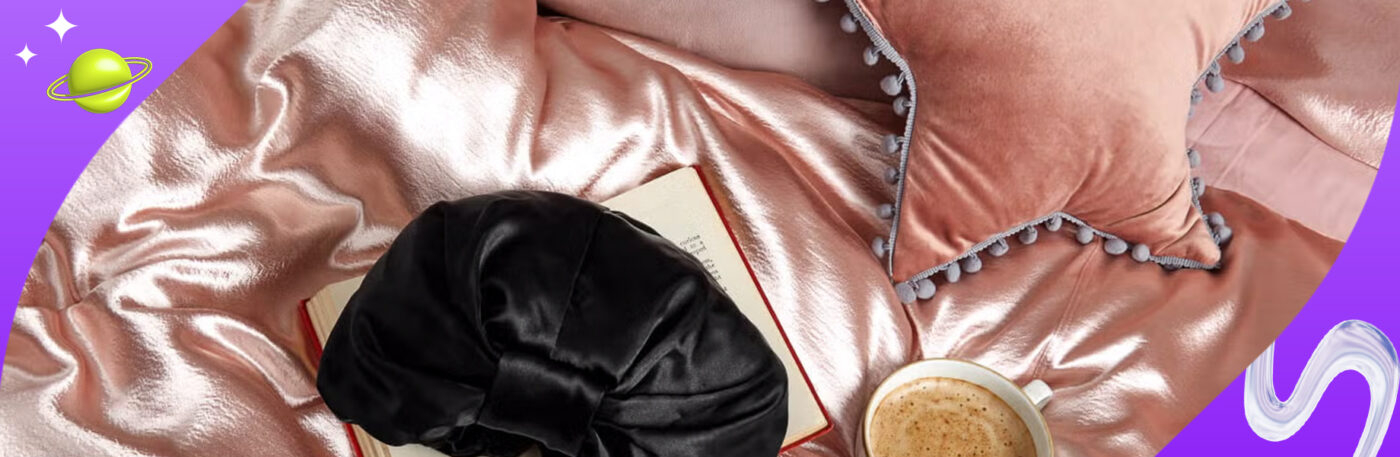
Considering a silk hair bonnet for sleeping? Here's everything you need to know.
The silk hair bonnet has been a sleeping staple for decades — worn by Black women as a way to protect curly hair and keep it healthy with minimal effort. Before diving into the benefits, it's worth acknowledging the cultural history and significance of silk bonnets.
Bonnets are far from a new trend. But thanks to social media, people who weren't previously familiar with the technique are discovering the benefits and trying it for themselves — which has sparked some debate along the way.
Most notably, Sarah Marantz, founder of Nite Cap, was called out for claiming to have invented a silk headwrap and selling it for £61. This rightly caused outrage, as she failed to credit the origins of the bonnet, and highlighted the double standard of something that Black women had long been teased for suddenly being considered trendy when repackaged for wider audiences.
If you do want to try a silk hair bonnet — whether you have curly, wavy, or straight hair — you absolutely can. Just be mindful of the history, be respectful of where the tradition comes from, and know that you don't need to spend a fortune to benefit.
Jump to:
What are silk hair bonnets for?
Hair bonnets have always been essential for those with curly, frizzy, or wavy hair. A bonnet helps prevent tangling while you sleep, reduces frizziness and dryness, and does all of this without costing much at all.
Hair bonnets are typically made from silk, but more affordable versions use satin. Both work by reducing friction between your hair and your pillowcase while you move in your sleep, which means less breakage, fewer split ends, and much easier hair in the morning. Goodbye, bed-hair.
How to wear a silk hair bonnet
If you're going to wear a silk bonnet or hair wrap to bed, carry on with your regular haircare routine first. Use the same products you normally would, and feel free to add a leave-in conditioner or overnight mask. Then simply tuck your hair up into the bonnet and let it work its magic overnight.
Why wear a silk hair bonnet to bed
Wearing a silk hair bonnet to bed is one of the simplest things you can do for your hair health — and the benefits in the morning are real. Less time styling, less frizz, and less product needed.
When you sleep on cotton pillowcases, the fabric absorbs moisture and product from your hair, leaving it drier by morning. Satin and silk don't do this, which means your hair holds onto hydration through the night.
The main benefits of wearing a silk hair bonnet:
Retains moisture
Reduces tangles and breakage
Gentle on your hairline
Keeps hair in place overnight
Keeps hair out of your face
Saves money by reducing how much product you need
Can help prevent dandruff by keeping the scalp hydrated
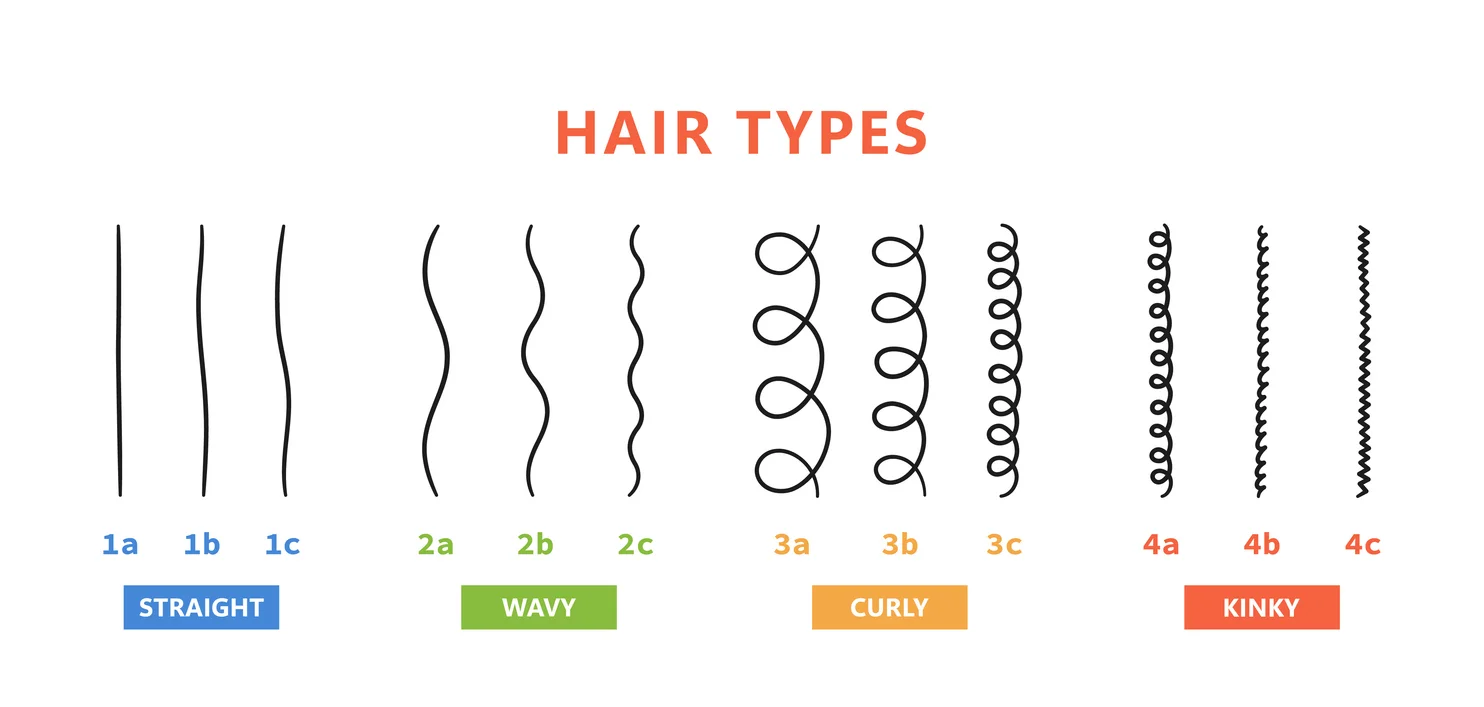
Wave and curl types
Every person's hair is unique, but most hair falls into categories based on wave and curl type. Your curl pattern is determined by the shape of your follicle and whether your strands kink, curve, or coil into spirals. Silk bonnets benefit all curl types — from loose waves to tight coils.
How to plop hair
Plopping is a technique used to define waves and curls after washing. You use a t-shirt, microfibre towel, or silk pillowcase to reduce frizz and help retain your curl pattern as your hair dries.
The idea is that letting your hair dry in an undisturbed position removes the weight of water (which can pull curls straight) while keeping your waves or curls intact.
To plop your hair:
Wash and condition as normal
Lay a silk wrap, pillowcase, t-shirt, or microfibre towel on a flat surface
Bend over it and let your hair fall forward onto the centre of the material
Scrunch your hair slowly into the material like an accordion
Wrap the material around your head so your hair sits on top — then secure it
Leave for 10–20 minutes, then release and air dry or diffuse
How to keep curls in overnight after curling
If you don't have naturally curly hair, keeping curls in overnight can be a challenge. A silk hair bonnet helps here too — protecting your curls from friction and keeping them intact. Tying your hair up loosely before bed works alongside the bonnet to minimise disruption while you sleep.
If you're after heatless curls, try braiding your hair overnight — the results in the morning can be surprisingly good.
Best silk bonnets
For braids
For curly hair
Grow Gorgeous Satin Bonnet — LOOKFANTASTIC, £9
Vintage Bow-Knot Sleep Cap — LILYSILK, £49
Hair bonnet FAQs
What does a bonnet do to your hair?
Hair bonnets — silk or satin — protect your hair while you sleep by preventing friction between your hair and your pillow. This reduces knots, breakage, and moisture loss. Bonnets are particularly beneficial for wavy, curly, or coily hair, but anyone can benefit from wearing one.
Is a silk or satin hair bonnet better?
Both are great options. Silk is a natural fibre made from silkworm cocoons, while satin is a man-made polyester weave. Satin is less absorbent than silk, so it may leave hair slightly more moisturised — and it tends to be cheaper. If you're looking for an affordable starting point, satin is a solid choice.
Should I sleep with wet hair in a bonnet?
Avoid this if you can. Wet hair is more fragile than dry hair, and the enclosed, damp environment inside a bonnet could encourage mildew. Aim to dry your hair to at least 70% before wearing your bonnet to bed.
Don't forget to check out all of our health and beauty student discounts on Student Beans to save on your beauty essentials.
For more healthy hair tips check out how to achieve perfect heatless dressing gown curls. Read our guide to life and wellbeing as a student for more advice.
Unlock even more with Student Beans
All your favourite brands at your fingertips, from fashion and beauty to food and drink, available to college and uni students aged 16 and over. Dive into our blog to find tips and advice to help you navigate student life, from applying to uni to life after graduation.
- Sign up for a Student Beans account or log in to start saving on the biggest and best brands.
- Download the Student Beans app to unlock exclusive app-only discounts.